
Welcome to UBIYA DERMA
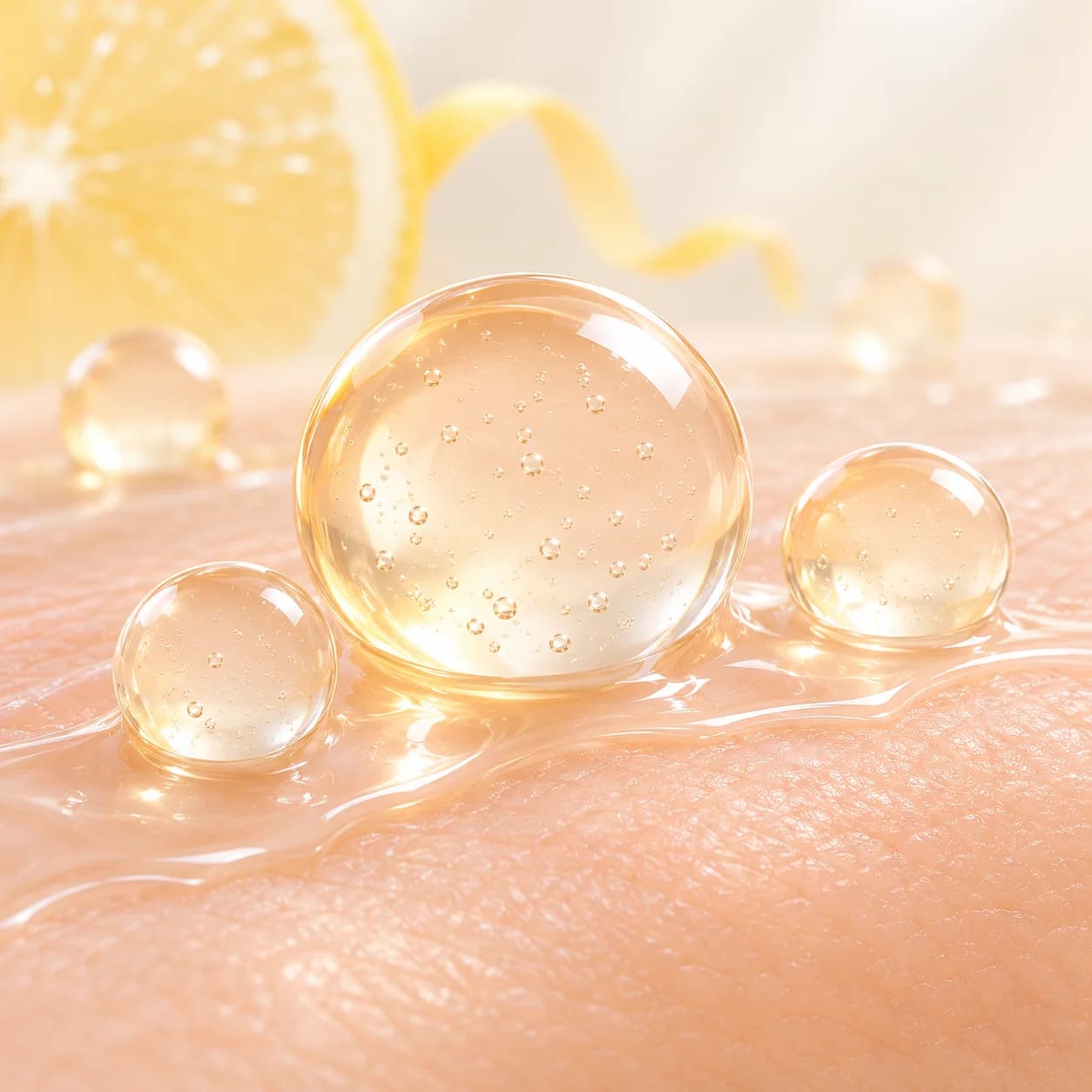
Glycolic acid is an alpha hydroxy acid (AHA) used to exfoliate the skin’s surface. In suitable cosmetic formulations, it can help improve the appearance of rough texture and dullness; use and tolerance depend on concentration and pH.
Glycolic acid is an alpha hydroxy acid (AHA) used in cosmetics to exfoliate the outermost surface of the skin. Its small molecular size and effects are influenced by concentration, pH and the rest of the formula.
Glycolic acid is an alpha hydroxy acid (AHA) used in cosmetics to exfoliate the outermost surface of the skin. Its small molecular size and effects are influenced by concentration, pH and the rest of the formula.
Cosmetic formulas with glycolic acid may help improve the appearance of dullness and uneven surface texture. Stronger or frequent use can cause irritation. The effect depends on the finished product, and one ingredient cannot predict a product’s results.
Cosmetic formulas with glycolic acid may help improve the appearance of dullness and uneven surface texture. Stronger or frequent use can cause irritation. The effect depends on the finished product, and one ingredient cannot predict a product’s results.
Follow the product label and introduce an AHA gradually. Avoid applying it to irritated or broken skin. Use sunscreen during the day and limit excessive sun exposure while using exfoliating acids. If irritation persists, stop use and seek professional advice.
Follow the product label and introduce an AHA gradually. Avoid applying it to irritated or broken skin. Use sunscreen during the day and limit excessive sun exposure while using exfoliating acids. If irritation persists, stop use and seek professional advice.
Find answers to common questions about Glycolic Acid.
Glycolic acid is an AHA exfoliant used in cosmetic products to help improve the appearance of dullness and uneven surface texture. Results depend on concentration, pH and formulation.
Follow the product label. If you are new to AHAs or have sensitive skin, introduce the product gradually and reduce or stop use if irritation occurs.
Yes. Stinging, dryness, redness or peeling can occur, especially with stronger formulas or frequent use. Avoid combining several exfoliating products when starting.
Using both may increase irritation for some people. Consider alternating them rather than applying together, follow product directions, and ask a dermatologist if you are unsure.
Use sunscreen during the day and follow its label. Exfoliating acids can make a routine more sensitive to irritation from sun exposure, so use sun protection and limit excessive exposure.