


Welcome to UBIYA DERMA
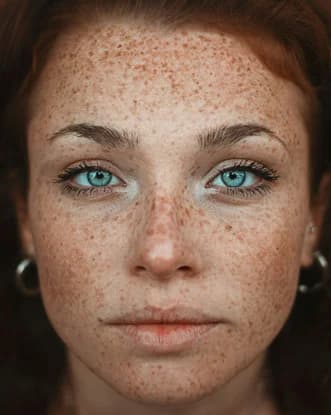
Hyperpigmentation is when patches of skin become darker than your natural tone due to excess melanin production.
Hyperpigmentation can affect anyone, but certain groups are more prone:
People with medium to dark skin tones: More melanin means more potential for pigment irregularities.
Women: Especially during pregnancy or while using hormonal birth control (melasma).
Those with acne, eczema, or skin injuries: Inflammation often leaves behind dark marks.
Sun lovers: UV exposure is a major trigger.
Genetically predisposed individuals: Family history plays a role.
Hyperpigmentation can affect anyone, but certain groups are more prone:
People with medium to dark skin tones: More melanin means more potential for pigment irregularities.
Women: Especially during pregnancy or while using hormonal birth control (melasma).
Those with acne, eczema, or skin injuries: Inflammation often leaves behind dark marks.
Sun lovers: UV exposure is a major trigger.
Genetically predisposed individuals: Family history plays a role.
Melasma: Patchy brown/gray discoloration, often on the face
Post-inflammatory (PIH): Dark spots after acne, cuts, burns, or irritation
Freckles: Small brown spots that darken with sun
Periorbital Pigmentation: Dark circles around the eyes
Melasma: Patchy brown/gray discoloration, often on the face
Post-inflammatory (PIH): Dark spots after acne, cuts, burns, or irritation
Freckles: Small brown spots that darken with sun
Periorbital Pigmentation: Dark circles around the eyes
Sun exposure - UV rays trigger excess melanin production.
Post-inflammatory hyperpigmentation - Dark marks left after acne, injury, or irritation.
Melasma - Hormonal changes from pregnancy or birth control pills.
Aging - Accumulated sun damage and cellular changes create age spots.
Skin trauma - Burns, cuts, or harsh treatments leave dark marks.
Medications - Certain drugs increase pigmentation.
Sun exposure - UV rays trigger excess melanin production.
Post-inflammatory hyperpigmentation - Dark marks left after acne, injury, or irritation.
Melasma - Hormonal changes from pregnancy or birth control pills.
Aging - Accumulated sun damage and cellular changes create age spots.
Skin trauma - Burns, cuts, or harsh treatments leave dark marks.
Medications - Certain drugs increase pigmentation.
Home Treatment: Use broad-spectrum SPF 30+ sunscreen daily. Apply brightening serums with proven ingredients. Avoid picking skin to prevent dark marks. Stay consistent - pigmentation fades slowly.
Professional Options: Chemical peels remove damaged skin layers. Laser therapy targets pigment clusters. Microneedling stimulates skin renewal. Prescription creams contain hydroquinone or stronger retinoids.
Home Treatment: Use broad-spectrum SPF 30+ sunscreen daily. Apply brightening serums with proven ingredients. Avoid picking skin to prevent dark marks. Stay consistent - pigmentation fades slowly.
Professional Options: Chemical peels remove damaged skin layers. Laser therapy targets pigment clusters. Microneedling stimulates skin renewal. Prescription creams contain hydroquinone or stronger retinoids.
Vitamin C serum - Fights free radicals and reduces melanin with ascorbic acid, ferulic acid, and Vitamin E.
Niacinamide cream - Brightens skin and improves texture with niacinamide, panthenol, and hyaluronic acid.
Retinol night cream - Speeds cell turnover to fade spots with retinol, peptides, and ceramides.
Exfoliating lotion - Removes dead skin for even tone with glycolic, lactic, and mandelic acids.
SPF sunscreen - Prevents further pigmentation with zinc oxide, titanium dioxide, and antioxidants.
Vitamin C serum - Fights free radicals and reduces melanin with ascorbic acid, ferulic acid, and Vitamin E.
Niacinamide cream - Brightens skin and improves texture with niacinamide, panthenol, and hyaluronic acid.
Retinol night cream - Speeds cell turnover to fade spots with retinol, peptides, and ceramides.
Exfoliating lotion - Removes dead skin for even tone with glycolic, lactic, and mandelic acids.
SPF sunscreen - Prevents further pigmentation with zinc oxide, titanium dioxide, and antioxidants.
 0
0Protect & Damaged Repair FormulaUbiya UV Defence Sunscreen Gel offers SPF 50...Read More
Find answers to common questions about Hyperpigmentation.
Hyperpigmentation can appear due to sun exposure, hormonal changes such as during pregnancy or from birth control, post-inflammatory marks from acne or injury, aging, and certain medications.
Some mild dark spots may fade over time, especially post-inflammatory marks from acne, but most cases require consistent skincare or professional treatments to see noticeable improvemen
Ingredients like Vitamin C, Niacinamide, Retinol, and gentle acids like Glycolic or Lactic Acid are known to brighten skin and reduce dark spots.
Wearing daily sunscreen, avoiding excessive sun exposure, and not picking at acne or skin injuries can prevent existing dark spots from darkening and new ones from forming.
Yes, without ongoing sun protection and proper care, dark spots can return, and hormonal changes may also trigger new pigmentation.
Serums and creams containing Vitamin C, Niacinamide, or Retinol, along with exfoliating lotions and daily sunscreen, are most effective for reducing and preventing dark spots.
Natural remedies such as aloe vera, licorice extract, or turmeric may lighten mild dark spots over time but are generally slower and less effective than clinical skincare ingredients.
 0
0Defend & Nourish FormulaUbiya UV Defence Sunscreen Cream provides SPF 50 and...Read More
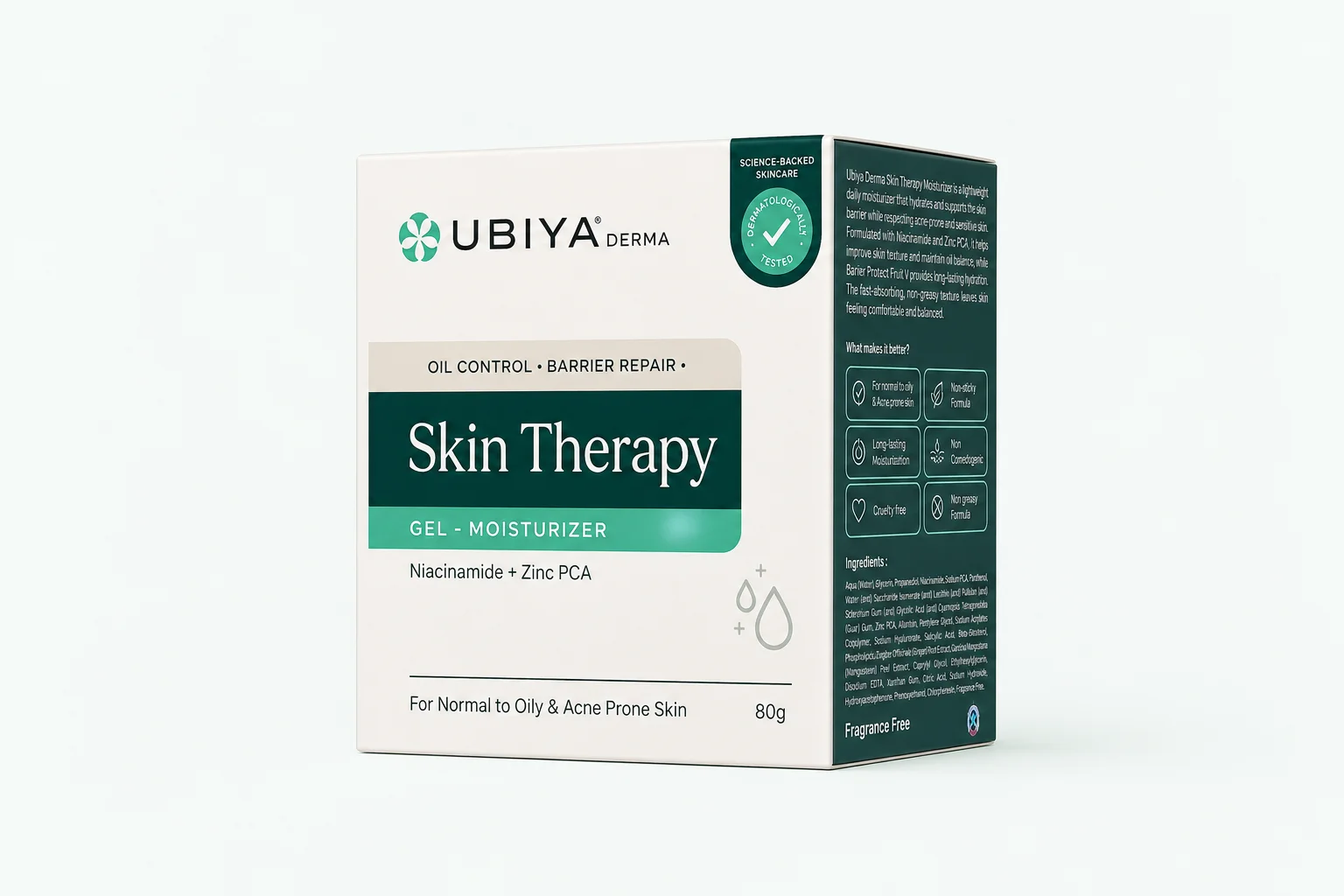
Oil control & barrier Repair FormulaUbiya Skin Therapy Gel Moisturizer Cream...Read More
 0
0Hydrate & Balance FormulaUbiya Skin Refined Toner hydrates, soothes, and bri...Read More
 0
0Brighten, De-Puff and Restore FormulaA lightweight under-eye gel formulated to r...Read More
 0
0Ubiya Derma Ageless Cream hydrates, smooths, and reduces fine lines. With biopla...Read More
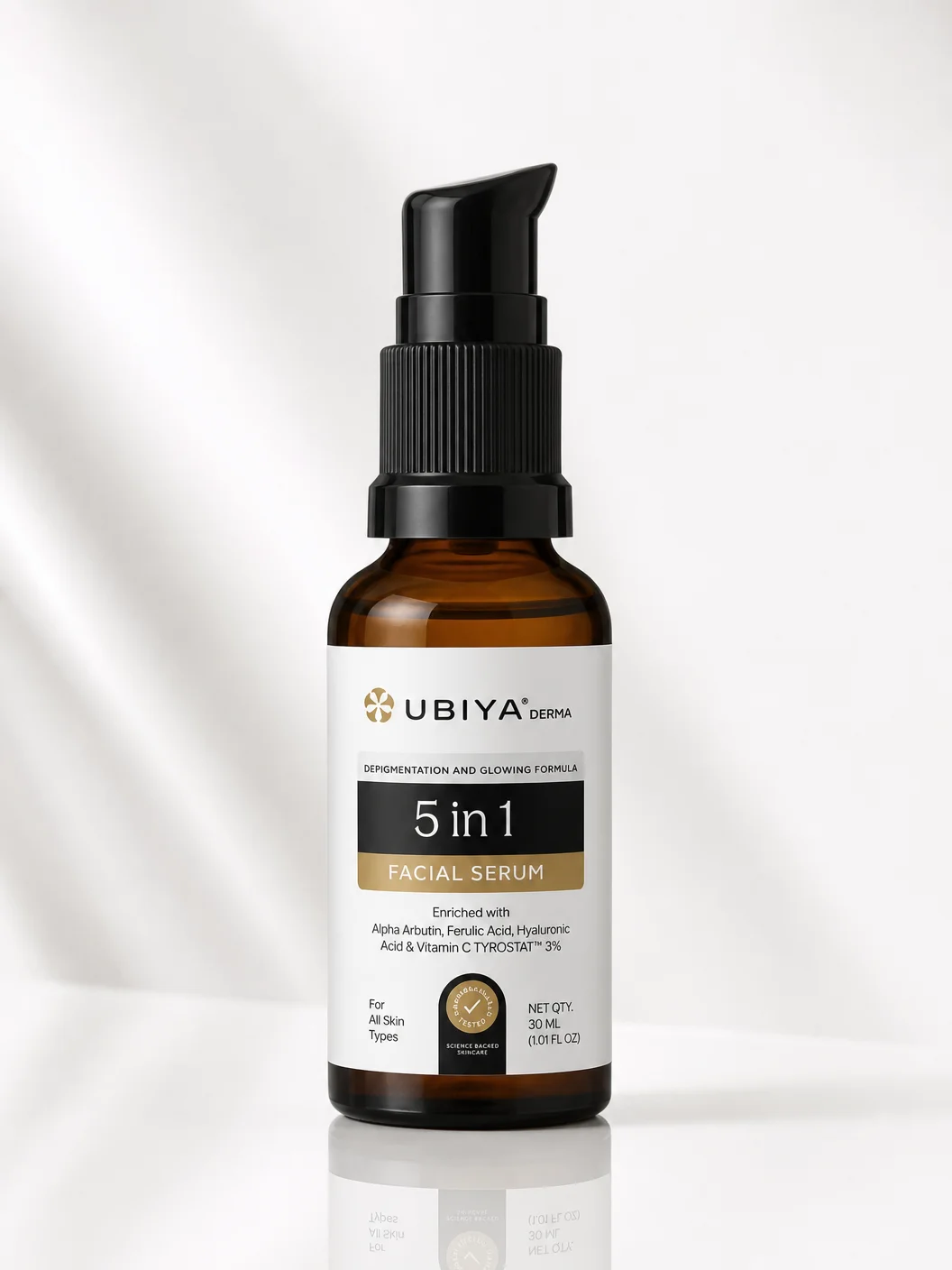
De-pigmentation & Glowing FormulaUbiya 5-in-1 Facial Serum combines five eff...Read More