


Welcome to UBIYA DERMA
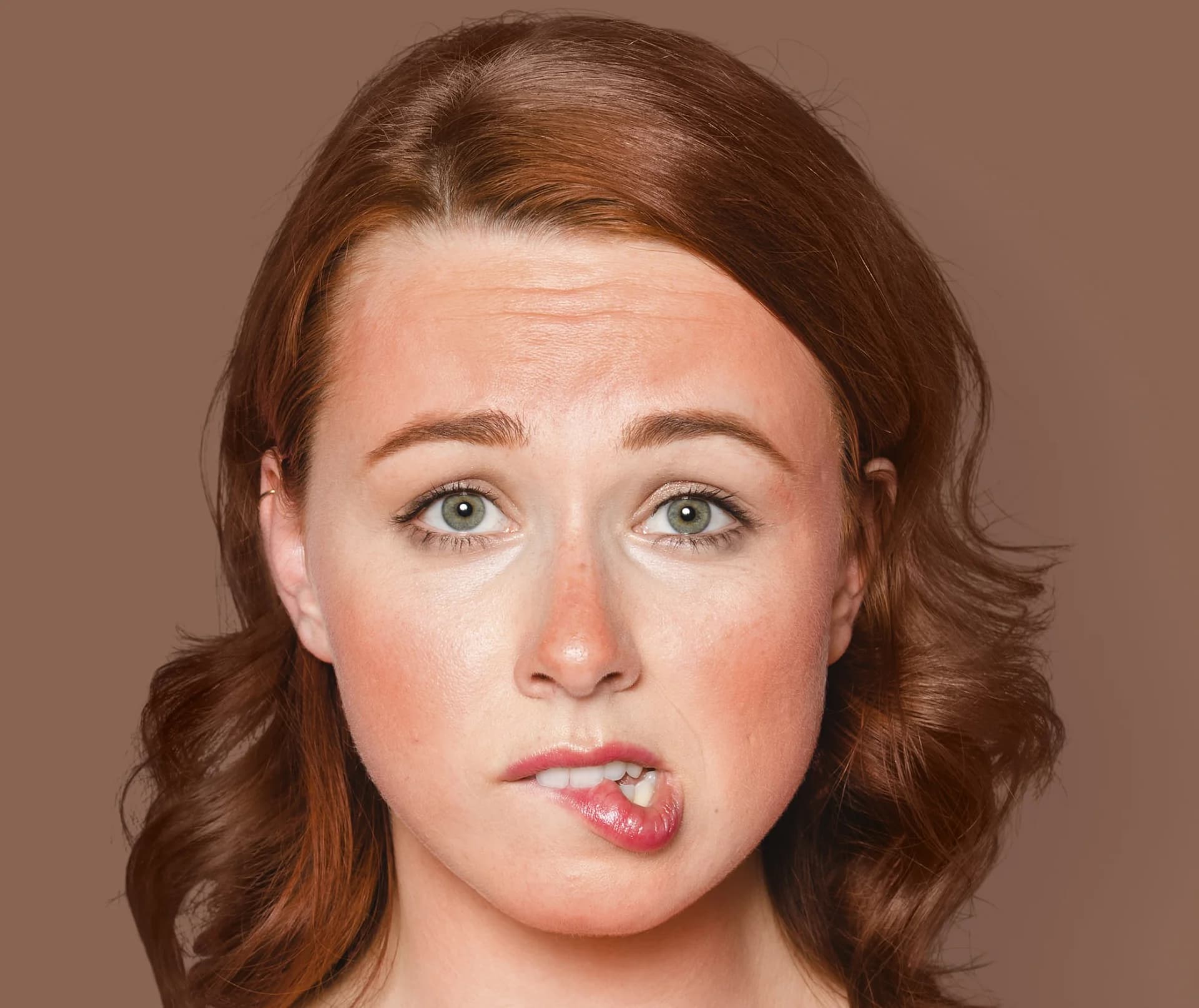
Skin redness occurs when extra blood flows to the skin, making it look red and sometimes feel warm. It’s your body’s way of protecting the skin from irritation or triggers, either temporarily or for longer periods.
Skin redness affects anyone at any age, but older people get it more easily due to thinner skin. Some people are more prone due to family history, fair skin, sensitive skin, and underlying health conditions that make skin react more easily to irritants.
Skin redness affects anyone at any age, but older people get it more easily due to thinner skin. Some people are more prone due to family history, fair skin, sensitive skin, and underlying health conditions that make skin react more easily to irritants.
Quick Types: Sunburn (red, hot skin that heals in a week) and heat rash (small red bumps from heat)
Longer Types: Rosacea (persistent red face with bumps) and eczema (dry, itchy red patches)
Serious Types: Large spreading red areas, red skin with fever, or pus that need immediate medical care
Quick Types: Sunburn (red, hot skin that heals in a week) and heat rash (small red bumps from heat)
Longer Types: Rosacea (persistent red face with bumps) and eczema (dry, itchy red patches)
Serious Types: Large spreading red areas, red skin with fever, or pus that need immediate medical care
Sun damage burns your skin
Allergies make your body react
Dry air cracks skin
Germs cause infections
Sun damage burns your skin
Allergies make your body react
Dry air cracks skin
Germs cause infections
Hot showers and harsh soaps
Perfumes and strong products
Stress and spicy foods
Extreme hot or cold weather
Hot showers and harsh soaps
Perfumes and strong products
Stress and spicy foods
Extreme hot or cold weather
Prevent redness by using lukewarm water with mild soap, applying moisturizer on damp skin, wearing daily sunscreen, and choosing "sensitive skin" products. Avoid harsh scrubbing and strong fragrances. Don't believe myths: expensive products aren't better (gentle works best), redness can improve with proper care, and you don't need to avoid sun completely (just protect properly).
Prevent redness by using lukewarm water with mild soap, applying moisturizer on damp skin, wearing daily sunscreen, and choosing "sensitive skin" products. Avoid harsh scrubbing and strong fragrances. Don't believe myths: expensive products aren't better (gentle works best), redness can improve with proper care, and you don't need to avoid sun completely (just protect properly).
 0
0Defend & Nourish FormulaUbiya UV Defence Sunscreen Cream provides SPF 50 and...Read More
Find answers to common questions about Redness.
Sun damage, allergic reactions, and dry skin cause most red skin problems. Sometimes it's from health conditions that make blood vessels show more.
No. Some redness doesn't hurt at all, like mild rosacea. Other types like sunburn can be very painful and feel hot to touch.
Cool compresses, gentle moisturizers, and staying away from triggers help most. Aloe vera and oatmeal baths can soothe irritated ski
Yes - use gentle, mineral makeup. Green-tinted primers under makeup can hide redness. Always remove makeup gently before be
Yes. Spicy foods, alcohol, hot drinks, and foods you're allergic to can trigger more redness in some people.
Yes - gentle, unscented moisturizers help repair skin and reduce redness. Apply while skin is still slightly damp for best results.
If redness lasts more than 2 weeks, spreads quickly, comes with fever, or bothers you emotionally, see a dermatologist for proper treatment.
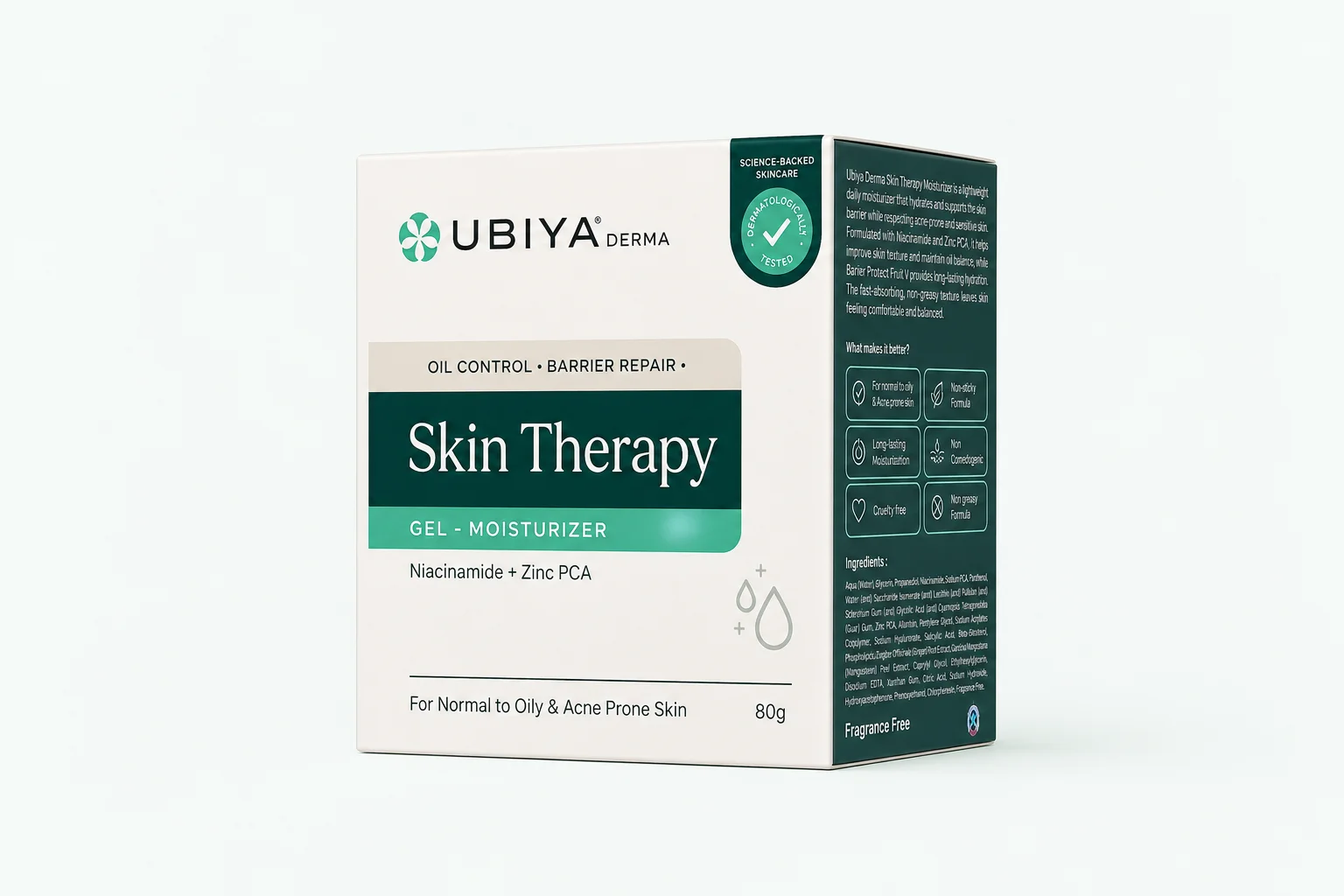
Oil control & barrier Repair FormulaUbiya Skin Therapy Gel Moisturizer Cream...Read More
 0
0Acne fighting &oil control FormulaUbiya Skin Essence Toner hydrates, tighten...Read More
 0
0Hydrate & Balance FormulaUbiya Skin Refined Toner hydrates, soothes, and bri...Read More
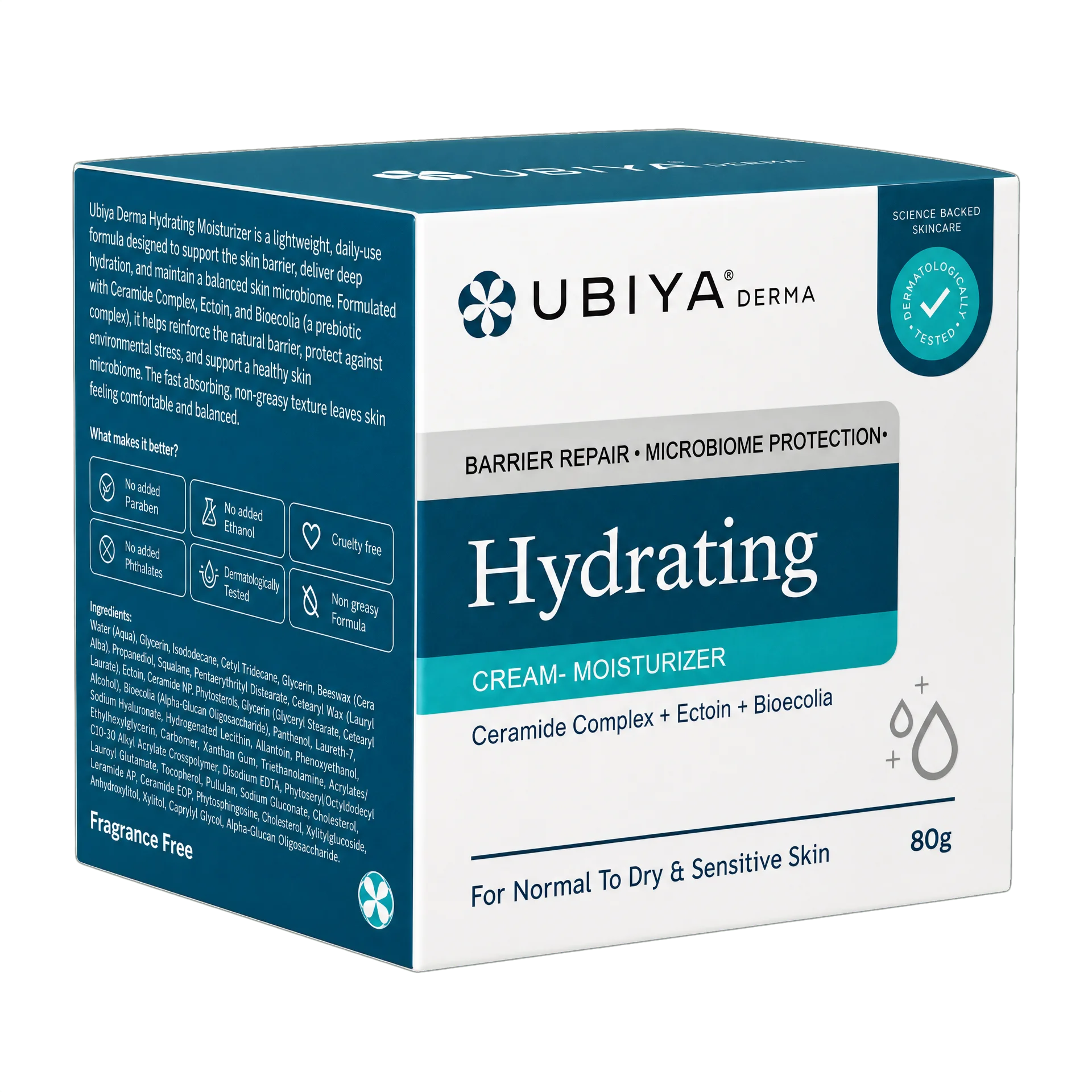
Barrier Repair • Microbiome Protection • Deep HydrationUbiya Hydrating Moisturiz...Read More