


Welcome to UBIYA DERMA
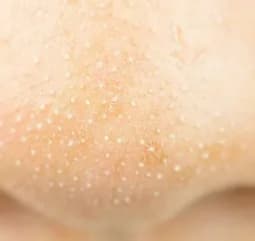
Whiteheads are small, raised acne bumps that form when pores clog with oil, dead skin, and bacteria. Unlike blackheads, the pores stay closed, giving a white or flesh-colored appearance.
Whiteheads are common in teenagers due to hormonal changes during puberty, but can affect adults too, especially during menstruation or stress. Some people are more prone due to overactive oil glands, genetic factors, improper skincare routines, and lifestyle factors like high sugar or dairy intake, stress, and lack of sleep.
Whiteheads are common in teenagers due to hormonal changes during puberty, but can affect adults too, especially during menstruation or stress. Some people are more prone due to overactive oil glands, genetic factors, improper skincare routines, and lifestyle factors like high sugar or dairy intake, stress, and lack of sleep.
Small: Tiny white bumps that are barely raised
Medium: More visible raised bumps with white centers
Clustered: Multiple whiteheads grouped together in problem areas like T-zone
Inflamed: Red, tender whiteheads that may be painful to touch
Small: Tiny white bumps that are barely raised
Medium: More visible raised bumps with white centers
Clustered: Multiple whiteheads grouped together in problem areas like T-zone
Inflamed: Red, tender whiteheads that may be painful to touch
Your skin makes too much oil
Dead skin cells don't shed properly and block pores
Bacteria grows in clogged pores
Hormones trigger more oil production
Your skin makes too much oil
Dead skin cells don't shed properly and block pores
Bacteria grows in clogged pores
Hormones trigger more oil production
Using heavy, pore-clogging creams
Not cleansing skin properly
Picking or squeezing whiteheads
High sugar and dairy foods
Stress and lack of sleep
Using heavy, pore-clogging creams
Not cleansing skin properly
Picking or squeezing whiteheads
High sugar and dairy foods
Stress and lack of sleep
Prevent whiteheads by washing face twice daily with gentle cleanser, using oil-free moisturizer, and exfoliating 1-2 times weekly. Use products with salicylic acid or benzoyl peroxide, and avoid heavy creams or oils. Don't believe myths: scrubbing harder doesn't help (gentle care works better), expensive products aren't always better (key ingredients matter most), and you can't "dry out" whiteheads (proper moisture balance prevents them).
Prevent whiteheads by washing face twice daily with gentle cleanser, using oil-free moisturizer, and exfoliating 1-2 times weekly. Use products with salicylic acid or benzoyl peroxide, and avoid heavy creams or oils. Don't believe myths: scrubbing harder doesn't help (gentle care works better), expensive products aren't always better (key ingredients matter most), and you can't "dry out" whiteheads (proper moisture balance prevents them).
 0
0Brightening Hydrate & protect FormulaAdvanced brightening face wash with 1% ...Read More
Find answers to common questions about Whiteheads.
Whiteheads appear when pores are clogged with oil, dead skin cells, and bacteria. Hormonal changes, stress, and improper skincare can also trigger them.
Mild whiteheads may fade naturally, but most require proper cleansing, exfoliation, and sometimes targeted skincare products to fully clear.
Maintain a gentle skincare routine, avoid heavy oils or creams, wash your face twice daily, exfoliate weekly, and protect skin from dirt and pollution.
No, popping whiteheads can lead to infection, inflammation, and scarring. Always use professional extraction if necessary.
Yes, diets high in sugar, dairy, or processed foods may worsen acne for some people. A balanced diet and proper hydration help maintain healthy skin.
Yes, they can also appear on the chest, back, and shoulders where pores produce excess oil.
With consistent skincare, whiteheads usually improve within 2–6 weeks, depending on severity and chosen treatment.
 0
0Clean & Glowing Formula Ubiya Cleansing Face Wash gently removes dirt and oi...Read More